Small 12V 6Ah/12Ah Lithium Batteries: A Comprehensive Introduction to Cylindrical Cells

          In today's fast-paced technological era, lithium batteries have become an indispensable energy source in our daily lives due to their high energy density, long lifespan, and low self-discharge rate. Small 12V lithium batteries, in particular, are frequently used in various electronic devices and portable power sources due to their portability and flexibility. One of the core components of these lithium batteries is the cylindrical cell. This article discusses the cylindrical cells in small 12V 6Ah/12Ah lithium batteries and helps readers understand their specifications, advantages, and application scenarios.


Basic knowledge of lithium batteries  

           Lithium batteries store and release energy through the movement of lithium ions between the positive and negative electrodes. They are mainly divided into two main categories: lithium-ion batteries and lithium-polymer batteries. 12V lithium batteries normally consist of several cells connected in series to meet higher voltage requirements.


Basic knowledge of cylindrical cells  

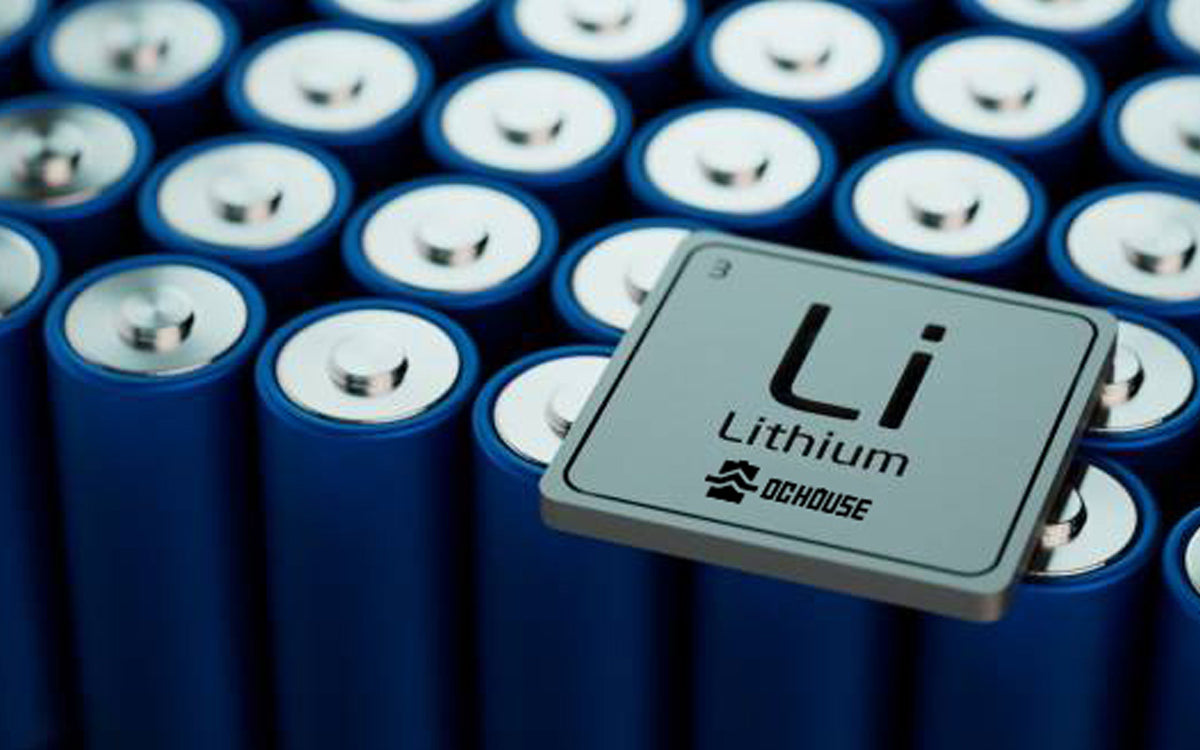
         As the name suggests, cylindrical cells have a cylindrical shape. They consist of a cathode, an anode, an electrolyte, and a separator. The cathode usually consists of lithium compounds, while the anode consists of carbon materials such as graphite. The electrolyte serves as a medium for the migration of lithium ions between the cathode and anode. The separator serves to isolate the cathode and anode and prevents short circuits. The naming convention for cylindrical cells is normally based on their diameter and height, such as the common 18650 cell, which has a diameter of 18 mm and a height of 65 mm. 


Common types of cylindrical cells  

         The 18650 cell is one of the most common cylindrical cells on the market and is frequently used in laptop batteries and portable power sources due to its excellent performance and cost-effectiveness. The 21700 cell is an improved version of the 18650 and offers higher energy density and capacity, but is relatively expensive.


Advantages and challenges of cylindrical cells 

                                                                                      Advantages  

- Cost-effectiveness: Due to mass production, cylindrical cells are typically more affordable and therefore very popular in price-sensitive applications. 

- Easy maintenance: Thanks to their standardized design, cylindrical cells are easy to maintain and replace, which reduces maintenance costs. 

- Flexibility: Cylindrical cells can easily be assembled into battery packs with different configurations to meet various voltage and capacity requirements. 

- High production efficiency: Cylindrical cells offer high production efficiency and mature technology, easily achieving high performance and thereby reducing production costs.

                                                  Challenges 

- Thermal management issues: Cylindrical cells can overheat at high power outputs and require effective cooling measures. 

- Volume constraints: Although cylindrical cells are small, more cells may be required to meet the demands of applications requiring high-capacity batteries, which can increase the overall volume and weight. 

- Safety concerns: Under extreme conditions, cylindrical cells can pose safety risks, such as overcharging, deep discharge, or short circuits, which can only be avoided through strict safety measures. 

- Standardization limitations: Although standardization offers many advantages, it can also limit opportunities for innovation and custom design.


Multi-scenario Applications and Performance of Cylindrical Cells

         The applications of cylindrical cells are extensive, ranging from portable electronic devices and mobile power sources to power tools and solar energy storage systems, and they can be found everywhere.

Portable electronic devices: Cylindrical cells are widely used in laptops, especially the 18650 model, which is popular due to its small size and high energy density. These cells can provide laptops with long-lasting power while ensuring the portability of the device. In addition, cylindrical cells are also used in mobile devices such as smartphones and tablets to provide these devices with a stable and continuous power supply.

Power tools and small transport vehicles: Cylindrical cells are also frequently used in small electric vehicles such as electric bicycles, electric motorcycles, and electric scooters. These vehicles require lightweight and energy-dense batteries to provide sufficient power and endurance, and cylindrical cells perfectly meet these requirements.  

Solar energy storage systems: With the popularity of renewable energy, solar energy storage systems are becoming increasingly popular in both residential and commercial sectors. Cylindrical cells can store the electrical energy generated by solar panels when exposed to sunlight and release this energy when needed to meet the power consumption in residential or commercial settings. This application not only improves the efficiency of energy use but also offers the possibility of energy self-sufficiency.


Maintenance and Safety of Cylindrical Cells  

- Proper charging: Use the appropriate charger and follow the manufacturer's charging instructions to avoid overcharging or using incompatible chargers. 

- Regular inspection: Regularly check the exterior of the cells for signs of damage, swelling, or leakage. 

- Avoid overheating: Ensure good heat dissipation during the operation of the cells and avoid prolonged use in high-temperature environments. 

- Charging before storage: Before long-term non-use, charge the cells to the recommended storage voltage, normally 50% to 60% of their capacity. 

- Safe disposal: If a cell is damaged or its performance declines, dispose of it properly according to safety guidelines to avoid environmental and health risks. 


Future Development Trends  

         The future development prospects for cylindrical cells are broad. Continuous technological advancements and growing market demand will lead to significant progress in cylindrical cells in terms of energy density, charging speed, safety, and cost-effectiveness. With the research and application of new battery technologies, cylindrical cells will continue to play a key role in the new energy sector, as they meet the increasingly diverse energy storage requirements and contribute to the global energy transition and sustainable development.


Conclusion  

          The cylindrical cells of small 12V lithium batteries provide powerful power for our portable devices. By introducing and analyzing common cylindrical cells, we can better understand their specifications, advantages, and application scenarios, which can help us select the right products and ensure their safe and efficient use. Through the introduction in this article, I believe you have already gained a preliminary understanding of the basics of cylindrical cells. We look forward to the cylindrical cell technology bringing us further surprises and breakthroughs in the future.